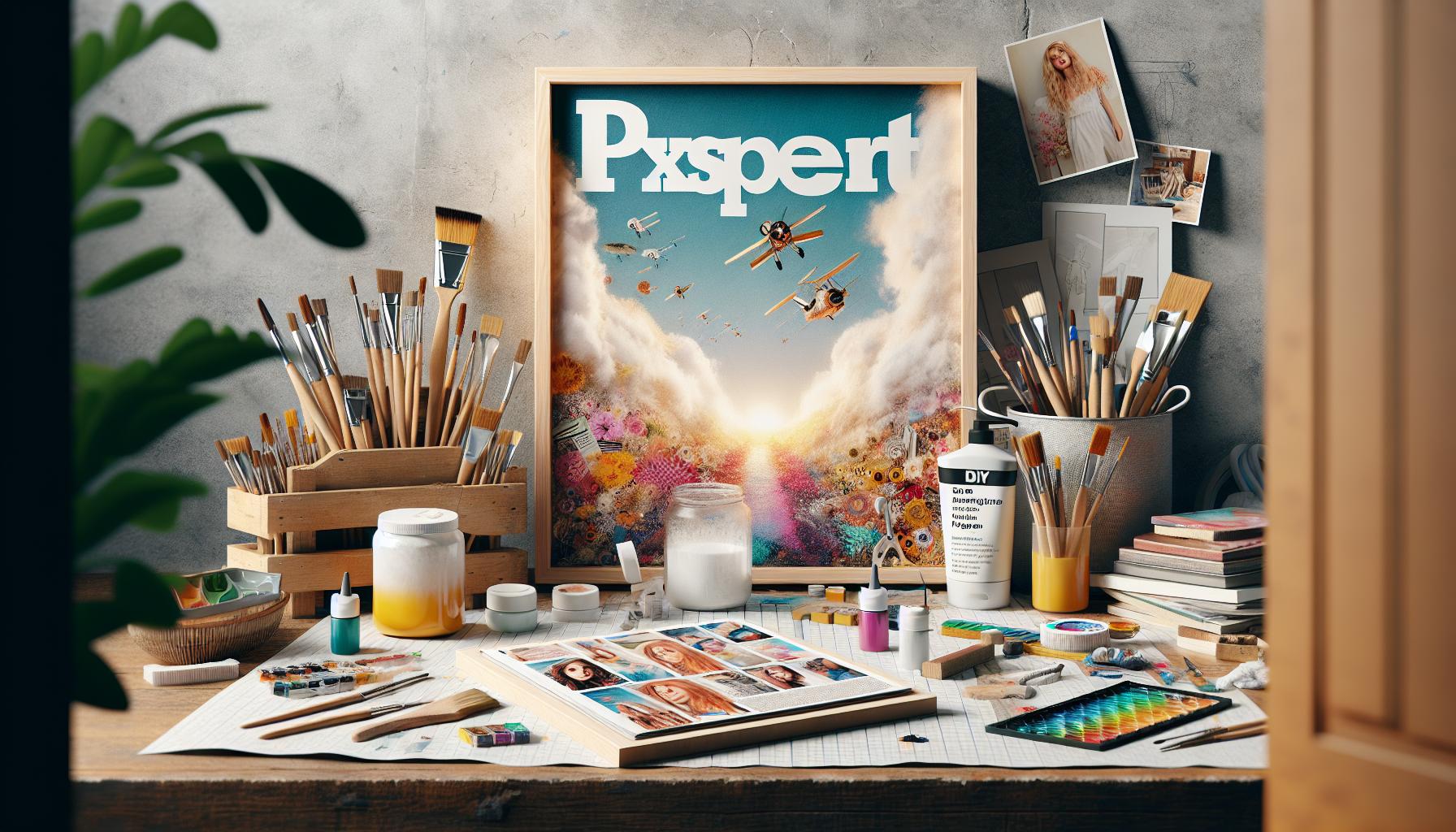
Canvas offers a unique and artistic way to display our favorite magazine photos, transforming ordinary pictures into stunning wall art. While traditionally used for painting, canvas creates a perfect backdrop for transferring any printed image into a professional-looking piece that’ll enhance our home decor.
We’ll show you how to convert magazine pictures into beautiful canvas art in just 20 minutes, using simple materials you probably already have at home. This beginner-friendly craft project doesn’t require any special skills or expensive supplies, making it an accessible way to create personalized artwork. Whether you’re looking to preserve family memories or showcase stunning magazine photography, this technique will help you achieve professional-looking results that’ll impress your guests.
Required Materials and Tools
Creating magazine picture transfers onto canvas requires specific materials to achieve professional results. Here’s a comprehensive list of essential items needed for this creative project.
Transfer Medium Options
- Gel medium (matte or glossy) for transparent transfers
- Mod Podge for a sealed finish
- Liquitex professional medium for archival quality
- Clear acrylic medium as an alternative option
- Water-based polyurethane for enhanced durability
- Canvas boards or stretched canvas
- Fine-grit sandpaper (150-220 grit)
- Clean lint-free cloths
- Foam brushes in various sizes (1-inch 2-inch 3-inch)
- Plastic scraper or credit card
- Spray bottle filled with water
- Paper towels
- Scissors or craft knife
- Rubber brayer or rolling pin
- Protective sheet or newspapers
- Disposable gloves
- Ruler or measuring tape
| Transfer Medium | Best Use Case | Drying Time |
|---|---|---|
| Gel Medium | Professional finish | 4-6 hours |
| Mod Podge | Beginner-friendly | 2-3 hours |
| Liquitex | Art galleries | 6-8 hours |
| Acrylic Medium | Quick projects | 1-2 hours |
| Polyurethane | Outdoor display | 8-12 hours |
Preparing Your Magazine Picture

Magazine picture transfers require careful preparation to achieve optimal results on canvas. Let’s explore the essential steps for selecting and preparing your chosen image.
Selecting the Right Image
Magazine images with vibrant colors and high contrast transfer best to canvas. Choose pictures printed on thin, glossy paper without textured finishes. Select images that are slightly larger than your intended canvas size to accommodate any minor alignment adjustments during the transfer process.
Creating a Transfer Copy
Creating a precise transfer copy ensures successful application to canvas. Cut out the selected image with clean, straight edges using sharp scissors. Remove any text or unwanted elements from the back of the page by gently sanding with 220-grit sandpaper. Place the image face down on a clean surface to verify the back is free from debris or paper fragments that could interfere with the transfer process.
| Image Characteristics | Recommended Specifications |
|---|---|
| Paper Type | Glossy magazine paper |
| Image Size | 1-2 inches larger than canvas |
| Paper Thickness | Less than 0.2mm |
| Print Quality | High contrast and saturation |
| Back Surface | Smooth and debris-free |
Basic Transfer Methods

Magazine picture transfers to canvas utilize two primary techniques that create lasting image impressions. Each method produces unique artistic results with different texture qualities.
Gel Medium Transfer
The gel medium transfer method delivers crisp image quality with a smooth, professional finish. Apply a thick layer of gel medium to the canvas surface using smooth, even strokes. Place the magazine image face-down onto the gel-coated canvas, pressing firmly to remove air bubbles. After 8 hours of drying time, dampen the paper backing with water using circular motions until it peels away, revealing the transferred image underneath.
Mod Podge Transfer
Mod Podge transfers create a textured, vintage appearance on canvas surfaces. Coat the canvas with a generous layer of Mod Podge, ensuring complete coverage. Position the magazine image face-down on the coated surface, smoothing out wrinkles with a credit card or rubber brayer. Let it dry for 24 hours, then use a damp cloth to gently rub off the paper backing in sections. Apply a final coat of Mod Podge to seal the transferred image.
| Transfer Method | Drying Time | Finish Type | Best For |
|---|---|---|---|
| Gel Medium | 8 hours | Smooth | Detailed images |
| Mod Podge | 24 hours | Textured | Artistic effects |
Advanced Transfer Techniques
Advanced techniques for transferring magazine pictures to canvas offer unique artistic effects and enhanced durability. These methods require additional tools and careful attention to detail but produce distinctive results.
How to transfer magazine pictures to canvas
The heat transfer method creates vibrant transfers with exceptional color retention. Apply a thin layer of iron-on transfer paper to the back of the magazine image using a hot iron set to 375°F. Position the image face-down on the canvas and press firmly with the iron for 45 seconds. Remove the transfer paper slowly after cooling for 2 minutes to reveal the transferred image.
| Heat Transfer Components | Specifications |
|---|---|
| Iron Temperature | 375°F |
| Press Time | 45 seconds |
| Cooling Period | 2 minutes |
| Transfer Paper Type | Heat-resistant |
Solvent Transfer Method
Solvent transfers create ethereal effects with a vintage appearance on canvas. Apply acetone or xylene transfer solution to the back of the magazine image using cotton swabs. Press the image face-down onto the canvas and burnish with a wooden spoon for 3 minutes. Lift the paper carefully to expose the transferred image with its characteristic distressed look.
| Solvent Method Details | Requirements |
|---|---|
| Application Time | 3 minutes |
| Solvent Types | Acetone/Xylene |
| Tool Required | Wooden spoon |
| Ventilation | Well-ventilated area |
Note: The solvent method requires proper ventilation and protective gear including gloves face masks. Work in a well-ventilated area away from open flames or heat sources.
Tips for Best Results
Creating perfect magazine transfers to canvas demands attention to detail and proper technique. These essential tips ensure professional results and lasting artwork.
Avoiding Common Mistakes
- Apply transfer medium in thin, even layers to prevent bubbling or peeling
- Remove all air bubbles during application by smoothing from center outward
- Position the image face down without sliding or shifting it
- Wait for each layer to dry completely before adding the next coat
- Test the transfer medium on a scrap piece first to understand its properties
- Keep hands clean throughout the process to avoid smudging
- Work in a dust-free environment with moderate humidity
- Maintain consistent pressure when rubbing off paper backing
- Store finished canvas art away from direct sunlight to prevent fading
- Apply a UV-protective clear coat for added durability
- Keep artwork in climate-controlled spaces with 45-55% humidity
- Clean the surface gently with a soft, dry microfiber cloth
- Handle canvas edges rather than the transferred image area
- Avoid placing items against the canvas surface
- Display artwork at least 6 inches away from heat sources
- Transport finished pieces in padded canvas carriers
- Apply a protective varnish 72 hours after transfer completion
- Check edges periodically for lifting or separation
| Storage Condition | Recommended Range |
|---|---|
| Temperature | 65-75°F |
| Humidity | 45-55% |
| UV Exposure | < 50 lux |
| Air Flow | Moderate |
Conclusion
We believe that magazine picture transfers onto canvas offer an exciting way to create stunning personalized artwork. With just a few basic supplies and some patience you’ll be able to transform ordinary magazine images into eye-catching pieces that look professionally made.
Whether you choose the gel medium method for crisp details or Mod Podge for a vintage look you’re sure to achieve beautiful results that will enhance your home décor. Remember that practice makes perfect so don’t be discouraged if your first attempt isn’t flawless.
Now that you have all the techniques tips and tricks at your disposal it’s time to start creating your own unique canvas masterpieces. Let your creativity flow and enjoy watching simple magazine pictures transform into lasting works of art.